The Relevance of Aluminum Casting in High-Quality Manufacturing Techniques
Light weight aluminum casting has emerged as a foundation in top quality production strategies. Its light-weight residential properties and exceptional strength make it a preferred choice for various sectors. Suppliers take advantage of its layout adaptability and marginal waste generation. As the demand for advanced materials grows, understanding the subtleties of light weight aluminum casting comes to be essential. This expedition reveals not just its benefits but additionally the developing innovations that form its future in production. What lies in advance for this innovative procedure?
The Benefits of Light Weight Aluminum Casting
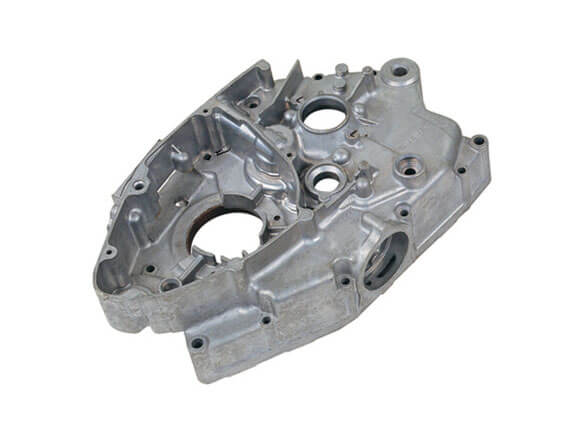
Although various casting methods exist, light weight aluminum casting stands apart due to its countless advantages. One of the key benefits is its light-weight nature, which substantially minimizes transport costs and power usage in applications. Aluminum also shows exceptional rust resistance, making it optimal for long-lasting parts in diverse environments. The spreading procedure enables intricate designs, making it possible for producers to produce complicated shapes with high precision and marginal waste. Additionally, light weight aluminum has superior thermal and electric conductivity, making it suitable for a series of commercial applications. The high strength-to-weight ratio improves the structural stability of actors products, offering resilience without the included mass. Aluminum spreading can be adapted to different methods, such as sand casting or pass away casting, which widens its applicability throughout markets. On the whole, these advantages placement aluminum casting as a favored choice in modern production, adding to effectiveness and sustainability.
Trick Applications of Aluminum Casting
Light weight aluminum spreading locates substantial applications across various markets because of its useful homes. In the vehicle field, it is extensively made use of for making engine blocks, transmission instances, and wheels, advertising light-weight layouts that boost gas performance. The aerospace sector additionally profits from light weight aluminum spreading, where elements such as housings and brackets are produced to meet stringent weight and strength needs.
In addition, the electric market utilizes aluminum casting for producing real estates and warmth sinks, which are crucial for reliable thermal monitoring in digital gadgets. aluminum casting. The building industry utilizes light weight aluminum spreadings for building aspects, window frames, and fixtures, adding to both aesthetic appeals and longevity
The customer items market integrates aluminum spreading in products like kitchenware and showing off devices, leveraging the material's toughness and deterioration resistance. In general, the versatility of light weight aluminum casting makes it an important procedure in meeting varied production requires across multiple areas.
The Process of Light Weight Aluminum Spreading
Casting light weight aluminum includes a number of distinct steps that change resources right into finished elements. The procedure starts with melting aluminum in a heating system, getting to temperature levels around 660 levels Celsius. Once melted, the liquid light weight aluminum is put into a mold, which takes the shape of the wanted part. Various mold kinds, consisting of sand, permanent, and investment molds, are used relying on the application.
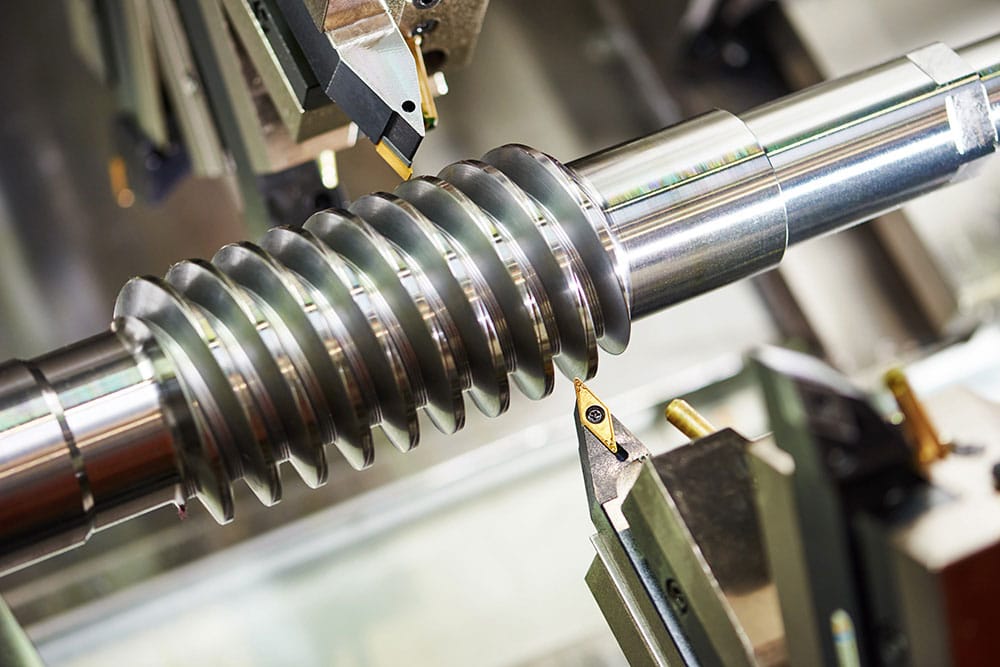
After pouring, the aluminum solidifies and cools, developing a harsh spreading. This casting undertakes a series of ending up procedures, such as machining, to achieve accurate dimensions and surface high quality. Quality assurance actions are implemented throughout to guarantee the integrity and strength of the final product. Once all processes are complete, the finished aluminum components await various applications, showcasing the adaptability and effectiveness of light weight aluminum casting in production techniques. Each step is important in attaining high-grade results, making this procedure crucial in making sectors.
Developments in Aluminum Casting Technology
Current innovations in light weight aluminum spreading innovation have transformed manufacturing procedures substantially. Advancements such as innovative spreading techniques, combination of wise manufacturing, and sustainability methods are reshaping the industry. These growths not just improve effectiveness however additionally address ecological problems, leading the method for a more lasting future in aluminum casting.
Advanced Casting Approaches
As producers seek better effectiveness and sustainability in manufacturing, ingenious developments in light weight aluminum casting modern technology have arised to satisfy these needs. Advanced casting techniques, such as die spreading, investment spreading, and sand casting, have actually been refined to boost precision and lower waste. Die spreading allows for faster manufacturing rates and tighter resistances, making it perfect for high-volume items. Investment spreading, known for its capability to produce complicated geometries, enables complex designs with premium surface coatings. Sand spreading remains preferred for its versatility and cost-effectiveness, specifically in low-volume applications. These methods not just boost the high quality of aluminum elements yet also add to lowered power consumption, lining up with sector goals for lasting practices in producing procedures.
Smart Manufacturing Combination
Just how can smart manufacturing combination transform light weight aluminum spreading modern technology? By incorporating sophisticated technologies such as the Net of Points (IoT), artificial intelligence (AI), and data analytics, wise production enhances effectiveness and accuracy in light weight aluminum spreading processes. Real-time monitoring of equipment and assembly line enables for prompt changes, reducing waste and downtime. Predictive upkeep powered by AI minimizes equipment failures, guaranteeing constant high quality. Furthermore, information analytics can enhance casting styles and specifications, leading to far better product use and minimized cycle times. These advancements assist in seamless communication between operators and devices, promoting a more agile manufacturing atmosphere. In general, smart production combination substantially raises the abilities of aluminum spreading, promoting higher top quality outcomes and even more receptive manufacturing practices.
Sustainability Technologies
While the light weight aluminum casting sector deals with increasing stress to adopt sustainable methods, innovations are arising that noticeably decrease its ecological effect. Advanced recycling strategies now make it possible for makers to utilize as much as 95% recycled aluminum, considerably lowering power consumption and waste generation. On top of that, the integration of low-emission modern technologies, such as electric melting heaters, reduces greenhouse gas emissions related to standard casting approaches. Furthermore, the development of environmentally friendly coverings and binders changes damaging chemicals, improving workplace safety and security and minimizing environmental air pollution. These developments not only straighten with global sustainability objectives but additionally improve the total effectiveness and quality of light weight aluminum products. As the market evolves, these improvements will certainly play a vital function in cultivating a more sustainable future for aluminum spreading.
Contrasting Aluminum Casting With Various Other Techniques
In contrasting aluminum casting with various other manufacturing techniques, numerous vital factors arise. Price stamina, toughness and performance, and style versatility serve as essential metrics for examination (Aluminum Foundry). Assessing these facets can supply insights into the benefits and constraints of light weight aluminum casting in various manufacturing contexts
Price Effectiveness Analysis
Cost performance continues to be a vital consideration in manufacturing procedures, specifically when examining aluminum casting against alternative techniques. Light weight aluminum casting typically presents a reduced first investment compared to methods such as steel building or machining, which call for even more elaborate and expensive tools. In addition, light weight aluminum's light-weight nature can reduce transport expenses and power usage during manufacturing. The ability to develop intricate forms with minimal waste even more improves its cost-effectiveness, as much less material is thrown out throughout the manufacturing procedure. In addition, light weight aluminum spreading usually permits for quicker production cycles, resulting in reduced labor prices and faster turn-around times. To sum up, when contrasting cost performance, aluminum casting regularly becomes a beneficial alternative, providing suppliers monetary advantages together with top quality result.
Toughness and Sturdiness
Toughness and durability are vital aspects when evaluating manufacturing techniques, specifically in the context of light weight aluminum casting. Contrasted to various other techniques such as plastic shot molding and steel fabrication, aluminum casting provides unique advantages. The intrinsic homes of aluminum, integrated with the casting process, lead to light-weight yet durable parts that can hold up against substantial stress and anxiety and ecological factors. Unlike plastics, which might degrade over time, aluminum maintains its integrity and efficiency under high temperature levels and stress. In addition, while steel elements can be much heavier and susceptible to rust, aluminum resists rusting, enhancing longevity. This combination of strength and sturdiness makes light weight aluminum casting a favored option for markets calling for reliable performance sought after applications, such as auto and aerospace industries.
Style Flexibility Comparison
The Future of Aluminum Spreading in Manufacturing
How will advancements in modern technology shape the future of additional info light weight aluminum casting in production? The assimilation of automation and expert system is expected to reinvent aluminum casting procedures. These technologies can improve accuracy and efficiency, decreasing waste and manufacturing costs. Furthermore, the appearance of 3D printing techniques enables for quick prototyping and customized designs, allowing suppliers to respond quickly to market needs.
Sustainability is additionally an important emphasis, with innovations targeted at lowering power usage and lessening ecological impact. Methods such as die spreading and financial investment casting are developing to include recycled light weight aluminum, promoting a circular economic situation.
Furthermore, improvements in products scientific research might bring about the development of lighter, stronger aluminum alloys that could expand the applications of aluminum spreading throughout numerous industries. Overall, the future of aluminum casting in production will likely be identified by raised effectiveness, flexibility, and sustainability, positioning it as a vital element of contemporary production techniques.
Frequently Asked Concerns
Exactly How Does Aluminum Casting Influence Environmental Sustainability?
Light weight aluminum spreading favorably affects environmental sustainability by promoting recycling, minimizing power usage compared to other steels, and decreasing waste. Its lightweight buildings likewise result in lower exhausts during transportation, sustaining greener methods in numerous industries.
What Are the Price Effects of Aluminum Casting?
Aluminum spreading typically entails higher initial expenses as a result of material and handling expenses. Nonetheless, its toughness and lightweight properties can produce long-term cost savings by reducing maintenance and transport costs, eventually stabilizing the monetary implications for suppliers.
Can Light Weight Aluminum Casting Be Recycled Effectively?
Light weight aluminum casting can be recycled properly, as the material preserves its buildings throughout the recycling procedure. This permits the manufacturing of top quality parts while reducing waste and lowering power consumption related to brand-new light weight aluminum manufacturing.
What Safety And Security Steps Are Needed Throughout Light Weight Aluminum Casting?
Precaution during aluminum spreading include utilizing individual protective devices like gloves and goggles, making certain correct air flow, preserving equipment, and adhering to methods for taking care of molten metal to avoid burns, inhalation risks, and various other possible crashes.

Exactly How Does Light Weight Aluminum Spreading Affect Item Design Adaptability?
Light weight aluminum casting enhances product style versatility by making it possible for detailed shapes and lightweight structures. This method enables designers Our site to check out ingenious arrangements, causing versatile applications throughout various industries while maintaining toughness and sturdiness in the final products.
Light weight aluminum spreading can be adapted to various strategies, such as sand spreading or die casting, which widens its applicability throughout industries. Once all procedures are total, the completed aluminum parts are prepared for various applications, showcasing the versatility and performance of light weight aluminum casting in manufacturing methods. As producers seek greater performance and sustainability in production, innovative developments in light weight aluminum spreading innovation have emerged to fulfill these needs. Unlike plastic shot molding, which might call for extensive tooling changes for style changes, light weight aluminum casting can accommodate alterations much more conveniently during the manufacturing cycle. Improvements in products science might lead to the advancement of lighter, more powerful aluminum alloys that can expand the applications of light weight aluminum spreading across numerous industries.
Comments on “Boost your production efficiency through trusted Precision aluminum casting”